How to Strengthen Your Joints Without Overexercising


Let’s be honest, we all love the idea of being fit. But spending hours at the gym, lifting heavy weights, or doing endless squats? Not everyone’s cup of tea or smoothie.
The truth is, your joints don’t always need a hardcore workout routine to stay strong and flexible. In fact, sometimes less is more when it comes to keeping those knees, hips, and shoulders happy.
So, if your joints creak louder than your morning alarm, or if your body throws a protest after every jog, this one’s for you.
Let’s look at some realistic, gentle, and fun ways to strengthen your joints without overexercising.
Why Do Joints Matter So Much?
Your joints are the unsung heroes of your body. They connect bones, allow you to move, and make daily life possible, from tying your shoelaces to dancing at weddings.
But with age, lifestyle choices, or even too much physical strain, joints start to lose their flexibility.
That’s when the stiffness, clicking sounds, or mild pain begins to show signs that your joints are asking for a little TLC.
The good news? You don’t need to hit the gym six times a week to keep them healthy. You just need to move smart, eat right, and know when to rest.
Your joints deserve as much care as your heart or skin; after all, they’re the reason you can chase your goals and your dog.
Treat them well, and they’ll keep you active for years to come. Think of joint care as an investment in your future mobility and happiness, one stretch, one step, and one smart choice at a time.
1. Stretch Like a Cat
You’ve probably seen cats stretching after a nap, slow, graceful, effortless. That’s the kind of stretching your joints love.
A few minutes of gentle stretching in the morning can help lubricate your joints, improve flexibility, and reduce stiffness.
Here’s what you can do:
- Neck rolls: Slowly tilt your head side to side.
- Shoulder rolls: Lift your shoulders to your ears and roll them back.
- Hip circles: Hands on hips, move in slow circles.
- Ankle rotations: Perfect while watching TV!
Pro Tip: Don’t bounce or force your stretch. Keep it slow and controlled. Think of it as a “good morning” to your body, not a battle.
2. Take the Pressure Off
You don’t have to run marathons to stay fit. In fact, high-impact workouts can often do more harm than good if your joints aren’t ready for them.
Swap the jumping jacks for activities that are kinder to your joints:
- Swimming: Water supports your body weight, making it ideal for your knees and hips.
- Cycling: Strengthens your leg muscles without putting pressure on your joints.
- Walking: A 20–30 minute walk daily can do wonders for joint mobility.
- Yoga or Pilates: Builds strength, flexibility, and balance gently.
Swimming isn’t just a full-body workout; it’s a joint’s favorite exercise. Every stroke is like a mini massage for your body.
3. Strengthen the Muscles Around Your Joints
Here’s the deal: strong muscles means supported joints. When your muscles are weak, your joints take on extra stress, and that’s when pain begins.
You don’t have to lift heavy dumbbells to build muscle. Even body weight exercises can help. Focus on:
- Squats (but shallow ones): Strengthen knees and hips.
- Wall sits: Strengthen thighs and glutes.
- Leg raises: Help build support around the knee joint.
- Arm circles and push-ups (modified): Improve shoulder stability.
If you ever feel pain during these, stop. Your goal is strengthening, not straining.
Remember to keep your movements slow and controlled. It's not a race. Consistency matters more than intensity, so even 10–15 minutes a day can make a visible difference over time.
Pair these exercises with good posture and proper breathing, and your joints will stay stable, strong, and ready for anything.
4. Watch Your Weight
Carrying extra weight puts a lot of pressure on your joints, especially your knees, hips, and lower back. For every extra kilogram of body weight, your knees feel about four times more pressure when you walk. Ouch.
But hey, this isn’t about body-shaming, it's about joint care. Even small changes make a big difference. Losing just a few kilos can significantly reduce joint pain and stiffness.
Pro Tip: Focus on balanced eating; think colorful veggies, lean protein, and healthy fats. Skip the crash diets and make it sustainable.
Think of it as a lifestyle shift, not a quick fix. Move a little more, eat a little better, and celebrate every small victory along the way. Remember it’s not about getting thin; it’s about staying strong, light, and kind to your joints.
5. Food for Thought and for Your Joints!
What you eat can either help your joints or hurt them. Some foods fight inflammation, your joint’s worst enemy. Others can make it worse.
Here’s your joint-friendly menu:
- Omega-3s: Found in salmon, walnuts, chia seeds — they reduce inflammation.
- Vitamin C: Helps in collagen formation. Stock up on citrus fruits and bell peppers.
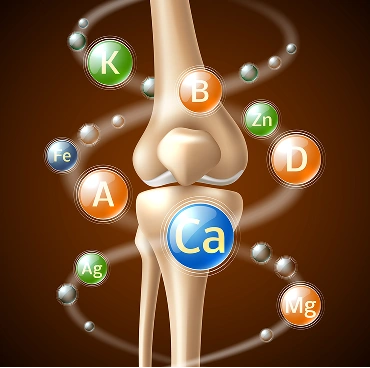
- Calcium and Vitamin D: Strengthen bones and support joint structure. Think dairy, tofu, leafy greens, and sunshine.
- Turmeric: Its curcumin content is a natural anti-inflammatory.
Green tea is rich in antioxidants. Your joints will thank you for every sip.
And yes, hydration matters too! Water helps keep your joints lubricated. So, drinking up your knees is basically floating on it.
6. Mind Your Posture
You might be sitting wrong right now (don’t worry, everyone does). Slouching, crossing your legs for hours, or staring down at your phone strains your neck, shoulders, and spine.
Here’s how to fix that:
- Sit upright, shoulders relaxed.
- Keep your feet flat on the ground.
- Take stretch breaks every 30 minutes if you’re working at a desk.
- Adjust your screen so it’s at eye level.
Remember, good posture means happy joints.
It’s not just about how you sit; it's about how you stand, walk, and move throughout the day.
The more awareness you bring to your posture, the less pressure your joints will feel. Over time, these small corrections can make you look taller, feel lighter, and move with effortless confidence.
7. Rest Isn’t Laziness It’s Recovery
Let’s bust a myth most of us have come across: rest days don’t make you weak.
They make you stronger. Your joints and muscles need time to repair after any activity. Overexercising can actually wear them out faster.
So, if your body says “I’m tired,” listen. Take a day off. Go for a short walk instead of a heavy workout, or simply do some light stretching. Your joints will thank you later.
Try “active rest days” do something relaxing like gardening, cleaning your room, or dancing to your favorite playlist. Movement without stress.
Think of rest as part of your fitness plan, not a break from it. When your body feels recharged, your joints move more smoothly and your energy levels bounce back.
After all, recovery is where real progress happens. It's your body’s way of saying, “Thanks for taking care of me!”
8. Say No to Stiffness
Even if you’re not exercising, movement is key. Long hours of sitting can stiffen your joints and slow circulation.
Here’s what helps:
- Set a timer to get up every hour.
- Take the stairs instead of the lift (if your knees allow it).
- Walk while you talk on the phone.
- Do 5-minute desk stretches during work.
These small movements add up; think of them as mini gifts to your joints.
9. Listen to Your Body (It Talks!)
Your body is pretty good at sending signals of mild pain, stiffness, and fatigue. Ignoring them only makes things worse. If you feel persistent joint pain, don’t just Google it. Get it checked.
Sometimes the solution is as simple as posture correction, supplements, or physiotherapy. And no, “pushing through the pain” doesn’t make you strong; it makes you injured.
Pain is your body’s way of waving a little red flag and saying, “Hey, slow down!” Respect those signals before they turn into something serious.
Regular checkups and early attention can save you from long-term issues. Remember, tuning in to your body isn’t weakness, it’s wisdom.
10. Try Natural Remedies and Relaxation Techniques
If your joints often feel sore, a few simple home remedies can help:
- Warm compress: Eases stiffness.
- Cold pack: Reduces swelling.
- Epsom salt bath: Helps relax muscles.
- Massage with essential oils: Boosts circulation and comfort.
Meditation and breathing exercises can also help. Stress increases inflammation, which affects your joints. So, sometimes the best joint care is simply… Chilling out.
The Takeaway: Move Smart, Not Hard
You don’t need to run a marathon or lift heavy weights to keep your joints strong. The secret lies in balanced moderate movement, good nutrition, proper rest, and mindful care.
So, the next time someone says “No pain, no gain,” smile and say, “Actually, I’m doing the no strain, all gain version.”
Your joints will love you for it.
Final Joint-Friendly Checklist
Here’s a quick recap before you roll your shoulders and get moving:
- Stretch daily (just like your morning coffee ritual).
- Choose low-impact exercises.
- Build muscle strength gradually.
- Eat for your joints — omega-3s, calcium, and antioxidants.
- Keep your posture in check.
- Rest and recover guilt-free.
- Move throughout the day.
- Stay hydrated and stress-free.
Your joints are designed to support you for a lifetime, so take care of them gently, and they’ll take care of you in return.
Latest News & Blogs
How to Strengthen Your Joints Without Overexercising
How to Strengthen Your Joints Without Overexercising