The Hidden Link Between Footwear and Knee Health


Ever bought a pair of shoes just because they looked good only to regret it the next morning when your knees screamed at you? Yeah, we’ve all been there.
Whether it’s those sleek heels, trendy sneakers, or the comfy chappals you wear everywhere, what’s under your feet has more to do with your knee health than you might think.
Knee pain isn’t just an “old people" problem anymore. With our modern lifestyles where long walks meet long hours on concrete floors, more young adults are reporting knee issues than ever before.
And surprisingly, the culprit often lies right below us: our footwear.
Let’s take a step into how your shoes could be either protecting your knees or quietly damaging them.
Understanding the Knee Foot Connection
Your body is like a beautifully synchronized machine; every part affects another.
The knee joint, being the largest and one of the most complex joints in your body, doesn’t work alone. It relies heavily on your feet to maintain alignment and balance.
Think of your feet as the foundation of a building. If the foundation tilts, the whole structure above it adjusts to maintain balance, sometimes awkwardly.
Similarly, when your shoes alter your posture or walking style, your knees compensate, often taking the stress. Over time, that compensation can turn into chronic pain or even joint degeneration.
Even the slightest imbalance in your footing can change the way your knees move and bear weight.
That’s why something as small as worn-out soles or uneven heels can trigger long-term discomfort without you realizing it.
So yes, your shoes are not just a fashion choice; they’re a bio mechanical decision one that quietly shapes how your entire lower body functions every single day.
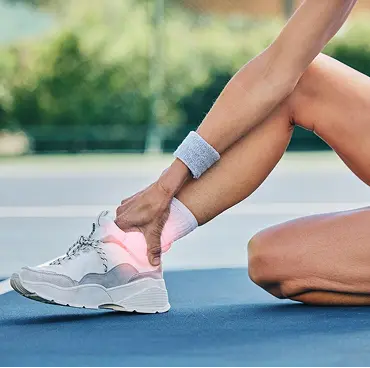
Cushioning, Arch Support, and Alignment The Holy Trio
- Cushioning: Every step you take sends shock waves up your legs. Shoes with poor cushioning can’t absorb this shock, leaving your knees to do the heavy lifting.
- Arch Support: If you’ve got flat feet or very high arches, your weight distribution while walking can be uneven.
- Alignment: The right footwear keeps your feet, ankles, and knees aligned preventing undue twisting or tilting of the joint.
Without proper support, that imbalance pushes your knees inward or outward unnaturally.
So next time someone tells you that shoes are “just shoes,” tell them they’re actually mini shock absorbers and alignment engineers.
High Heels: The Stylish Villains
We can’t talk about knee health without addressing the obvious high heels.
They elongate your legs, make your outfit pop, and yes, boost confidence, but they also tilt your entire body forward, shifting your center of gravity.
To maintain balance, your knees bend slightly and stay that way as you walk. Over time, this puts tremendous stress on your knee joints, especially the kneecap.
A study published in the Journal of Orthopedic Research found that wearing high heels increases pressure on the knees by up to 26%.
That’s like forcing your knees to carry an extra backpack all day long; not fun.
So if you must wear heels, here are a few friendly tips:
- Choose heels under two inches.
- Opt for wider heels or wedges to distribute pressure evenly.
- Give your knees a break by switching to flats when possible.
And remember, confidence doesn’t come from the height of your heel it comes from how you walk in them.
Flat Shoes Aren’t Always Angels Either
Before you toss your heels and slip into flat shoes, forever hold on. Not all flats are innocent.
Flat footwear, like ballerinas or flip-flops, often lack arch support. This causes your feet to roll inward, throwing your knee alignment off balance.
Over time, this can lead to pain in the knees, hips, and even your lower back.
If you love flats, look for ones with:
- A cushioned insole
- Firm arch support
- A slightly raised heel (around 1 inch)
Your knees will silently thank you for the upgrade.
Sneakers: Not All Created Equal
Ah, sneakers, the heroes of modern comfort. But here’s the twist: not every sneaker is knee-friendly.
Trendy sneakers may look cool, but their structure isn’t always designed for your gait. For instance, some shoes meant for running might not support your everyday walking pattern.
Others may have too much bounce or rigidity, which can mess with your natural stride.
Here’s what to look for in knee-friendly sneakers:
- Stability: Keeps your foot from rolling inward or outward.
- Flexibility: Allows natural movement of the toes and ankle.
- Shock Absorption: Reduces the impact transmitted to your knees.
If you’re serious about knee health, get your gait analyzed at a good footwear store or physiotherapy clinic.
You might be surprised to learn that your walking style needs specific shoe features.
The Forgotten Factor Your Walking Surface
You can wear the best shoes in the world, but if you’re constantly walking or standing on hard surfaces like concrete, your knees still suffer.
Hard floors reflect more impact than softer, uneven terrains.
That’s why ancient civilizations didn’t complain about knee pain as much as they walked on soil, not marble tiles!
If your daily routine involves standing or walking on hard floors (especially in workplaces or malls), try this:
- Use cushioned floor mats where possible.
- Change footwear during the day to vary the pressure points.
- Stretch your calves and thighs regularly to keep your joints flexible.
Strength Matters: How Muscles Save Your Knees
Here’s a fun twist: your shoes can only do so much. The real superheroes protecting your knees are the muscles around them.
Strong quadriceps, hamstrings, and calves help stabilize your knee joint. When these muscles are weak, your knees take more pressure than they should.
Pair weak muscles with bad footwear, and you’ve got a recipe for knee pain.
Add simple exercises like:
- Wall sits
- Calf raises
- Step-ups
- Gentle yoga stretches
Do these regularly with proper footwear, and your knees will reward you with strength and stability.
Everyday Shoe Habits That Hurt Your Knees
Let’s be real, we're often guilty of small mistakes that silently damage our knees.
Most of these habits seem harmless at the moment, but over time, they add and start showing in the form of stiffness or dull aches.
Let’s bust a few of them:
- Wearing the same old shoes forever Worn-out soles lose their cushioning and alignment support.
Replace them every 500–800 km of use or once the sole looks uneven. Trust me, your knees can feel the difference even if your wallet doesn’t want to. - Going barefoot on hard floors — It’s relaxing for a few minutes but terrible for extended periods. Without any shock absorption, the impact travels straight up to your knees, especially if you have tile or marble flooring.
- Buying shoes for looks, not comfort — Yes, aesthetic matters, but not at the cost of your cartilage. The best pair is one that makes both your outfit and your joints happy.
- Ignoring pain — Knee pain is never “normal.” It’s your body’s early warning signal.
Listen early, and you’ll save yourself a lot of future discomfort and maybe even a doctor’s visit.
When to Seek Help
If you’ve been feeling persistent knee pain even after switching footwear, it’s time to visit a doctor or physiotherapist.
They can identify whether the issue is purely mechanical (footwear-related) or structural (ligament, cartilage, or bone-related).
Sometimes, custom orthotics specially designed shoe inserts can do wonders in aligning your posture and relieving knee stress.
Early diagnosis can prevent minor discomfort from turning into chronic knee damage.
So, don’t wait for the pain to become unbearable; get it checked and take the right step toward healing.
Final Step: Walk Smart, Not Hard
Footwear is more than a fashion statement; it's your first line of defense against joint wear and tear.
Whether you’re a heel lover, a sneaker collector, or a flip-flop fanatic, remember this:
Every step you take either nurtures your knees or strains them.
So, choose shoes that support your body, not just your style. Walk tall, walk comfortably, and give your knees the love they deserve because unlike shoes, you can’t replace them every few years!
The next time you’re tempted by those pretty heels or ultra-flat sandals, pause for a second.
Look down and ask yourself: Are these helping my knees or hurting them?
Your knees might not speak, but trust me, they have opinions. And they’ll make them known the next morning.
Latest News & Blogs
Respiratory Health: How Pollution Affects Your Lungs
Respiratory Health: How Pollution Affects Your Lungs | Protect Your Lungs Today

Foods That Can Trigger Inflammation and Joint Pain
Foods That Can Trigger Inflammation and Joint Pain