Seasonal Eating for Strong Bones and Faster Recovery


If you’ve ever wondered why your grandmother insists that certain foods should be eaten only in specific seasons, here’s a fun truth: she’s basically doing nutrition science without a degree.
Seasonal eating isn’t just a trend; it’s one of the simplest, most natural ways to give your body exactly what it needs, right when it needs it, especially when it comes to strong bones and quicker recovery.
Whether you’re recovering from an injury, working out regularly, or simply trying to stay healthy, your diet plays a huge role in how your bones heal and how fast your body bounces back.
And guess who steps in as your greatest ally? Seasonal fruits and vegetables.
Let’s break down why seasonal eating matters and how each season delivers its own superpowers.
Why Seasonal Eating Matters More Than You Think
Foods grown in their natural season are richer in nutrients, fresher in taste, and far more beneficial for your bones than off-season, stored produce.
When fruits and vegetables ripen naturally, they develop maximum levels of vitamins, minerals, antioxidants, and enzymes all essential for bone formation, tissue healing, and overall strength.
Plus, seasonal foods are easier to digest. When your body isn’t busy fighting heavy or unsuitable foods, it focuses better on healing, repairing, and strengthening.
And the best part? Seasonal produce is cheaper. Your wallet heals too.
Spring: The Season of Renewal and Rebuilding
Spring is nature’s reset button fresh, light, and perfect for giving your bones a boost after winter’s slower pace.
Spring foods like green peas, fenugreek, spinach, amla, oranges, strawberries, drumsticks, and sprouts are rich in Vitamin C, which helps your body produce collagen.
Collagen is the main protein that gives bones their flexibility and structure. Without enough collagen, your bones become brittle, healing slows down, and recovery becomes patchy.
Why spring helps bones:
- Vitamin C boosts collagen production
- Iron from leafy greens improves oxygen supply to healing tissues
- Antioxidants reduce inflammation after injury or workouts

A simple bowl of sauteed spinach with garlic or a glass of fresh amla juice early in the morning can work magic for bone density and immunity.
Summer: Hydration and Mineral Power
Summer often gets a bad reputation for heat exhaustion and dehydration, but the season actually brings some of the most bone-friendly foods.
Think watermelon, cucumber, muskmelon, mangoes, tender coconut, buttermilk, jackfruit, and tomatoes.
These are packed with magnesium and potassium, minerals that strengthen bones and help maintain electrolyte balance especially important if you’re active.
How summer supports recovery:
- High-water foods prevent dehydration, which slows healing
- Potassium helps maintain bone mineral density
- Magnesium works with calcium to keep bones strong
- Mangoes deliver vitamin A for tissue repair
If you’re someone who sweats a lot during workouts or tends to lose energy fast, summer foods act like natural energy chargers.
A bowl of chilled muskmelon or a tall glass of buttermilk after a walk isn’t just refreshing your bones silently thank you.
Monsoon: Immunity and Healing Herbs
Sorry to disappoint you, you cannot reverse 20 years of knee damage with two scoops of collagen powder.Monsoons may feel dreamy, but the season demands strong immunity. Bones heal faster and tissues recover well only when your immune system is functioning smoothly.
Seasonal monsoon wonders include turmeric, sesame seeds, leafy greens, millets, bottle gourd, ridge gourd, corn, and ginger.
The hero here is turmeric, especially curcumin, its active compound. It fights inflammation, which is crucial for anyone dealing with pain, swelling, sprains, or slow-healing injuries.
Monsoon benefits your bones by:
- Reducing inflammation
- Improving digestion, which helps your body absorb calcium better
- Boosting immunity, speeding up tissue repair
- Delivering essential minerals from greens and gourds
If you’re prone to joint stiffness or pain during rains, a warm cup of turmeric milk or a bowl of moong dal khichdi with ghee can be both comforting and healing.
Autumn: Strengthening and Balancing Season
Autumn is a transition season neither too warm nor too cold which makes it ideal for strengthening your body from inside out.
Seasonal picks include sweet potatoes, apples, carrots, beets, pumpkins, pomegranates, and dates.
These are loaded with beta-carotene, iron, and natural sugars that support bone strength and help your muscles recover.
Autumn foods help by:
- Reducing fatigue through slow-release energy
- Improving hemoglobin, essential for carrying nutrients to healing bones
- Providing antioxidants that reduce oxidative stress
Sweet potatoes, for example, are a powerhouse they support bone density, fuel your muscles, and keep you full longer.
Pair them with a warm herbal tea, and you’ve got the perfect balance for autumn evenings.
How Seasonal Eating Speeds Up Recovery
Recovery whether from injury, surgery, gym soreness, or fatigue depends on:
- Inflammation control
- Protein synthesis
- Blood circulation
- Nutrient absorption
- Collagen formation
Seasonal foods naturally support all five. For example:
- Citrus fruits → Boost collagen
- Leafy greens → Improve iron levels
- Nuts and seeds → Provide omega-3s for joint lubrication
- Fruits with antioxidants → Reduce inflammation
- Millets → Strengthen bone tissue
Your body heals faster when it receives nutrients in their most natural, freshest form.
A Simple Seasonal Eating Habit to Start Today
You don’t have to overhaul your entire lifestyle. Start with 3 small habits:
1. Make one meal a day 100% seasonal
A plate of fruit, a bowl of vegetables, or even a seasonal juice works.
2. Replace packaged snacks with seasonal alternatives
Instead of chips: roasted corn, tender coconut, fruit bowls, or nuts.
3. Add one traditional seasonal recipe
Winter: sesame chikki
Summer: buttermilk
Monsoon: turmeric milk
Spring: citrus salad
Small changes, big improvements.
Final Thoughts:
Seasonal eating is not a diet. It’s a rhythm. A cycle. A way of syncing your body with nature so your bones stay stronger and your recovery becomes faster.
When you eat seasonally, you’re not just choosing food.
You’re choosing freshness, balance, affordability, and long-term health.
So the next time someone offers you a juicy mango in summer or a bowl of hot ragi malt in winter, don’t overthink it. Your bones are already cheering.
Latest News & Blogs
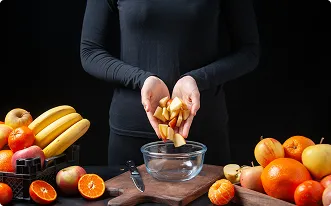
Seasonal Eating for Strong Bones and Faster Recovery
Seasonal Eating for Strong Bones and Faster Recovery
The Role of Collagen in Joint Health: Fact or Hype?
The Role of Collagen in Joint Health: Fact or Hype?